
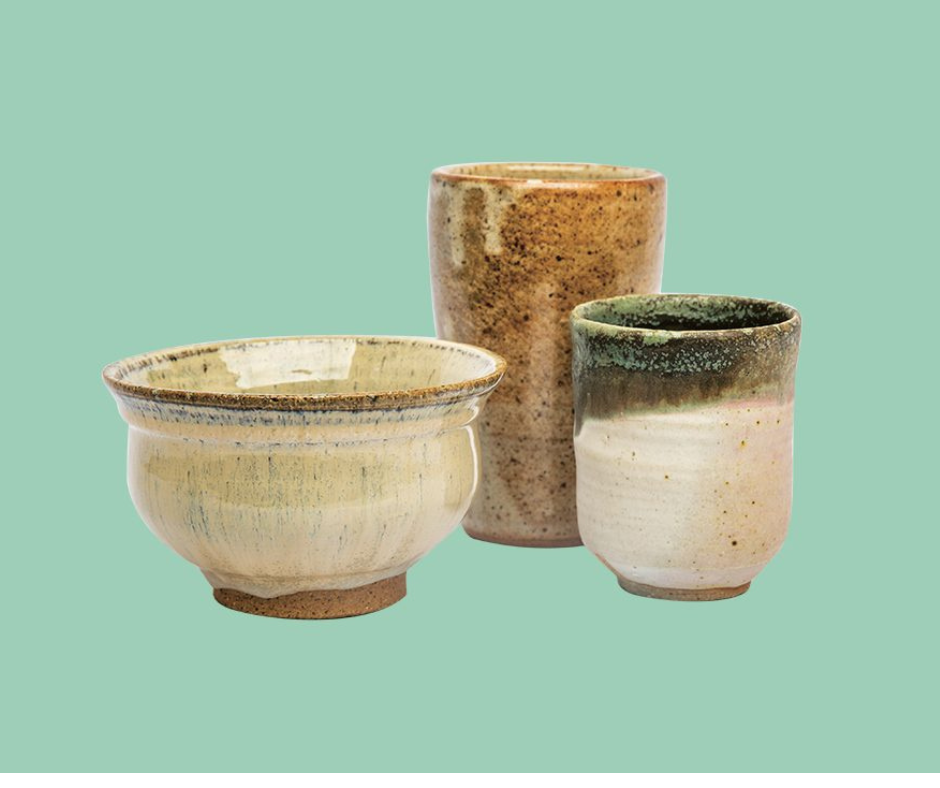
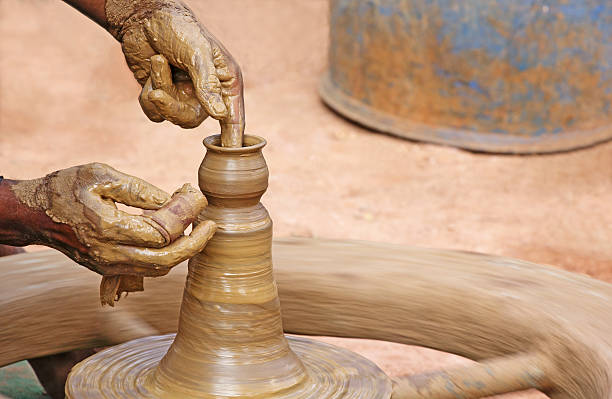
The Potters of India are an historical and essential a part of the u . S .’s rich cultural heritage, playing an essential function inside the social, monetary, and cultural cloth of rural and urban life. Pottery-making in India is one of the oldest traditional crafts, with evidence of pottery production dating lower back to the Indus Valley Civilization. Over centuries, this craft has advanced but stays deeply rooted in diverse groups throughout the nation.
1. Types of Potters and Traditions
Pottery-making in India is often associated with specific regions, communities, and techniques:
- Terracotta and Clay Pottery: The most common form of pottery is made from clay and terracotta. It is used to create utensils, figurines, and decorative items. It is often associated with rural communities.
- Kumhar (or Kumbhar): This is the most widely known community of potters in India, traditionally working with clay to create everything from water pots, storage jars, and cooking vessels, to decorative items.
- Other Regional Variations:
- Sankheda Pottery (Gujarat) is known for its colorful and lacquered wooden pottery.
- Blue Pottery (Rajasthan) uses a unique technique that creates vibrant blue-hued ceramic pieces.
- Ponduru Pottery (Andhra Pradesh) is a type of traditional pottery made with a unique local clay, often used to make cooking pots and utensils.
2. The Crafting Process
The process of pottery-making is often done by hand or on a potter’s wheel and involves several stages:
- Shaping: The raw clay is shaped into the desired form, often on a potter’s wheel, but also by hand-building methods, depending on the region and tradition.
- Drying: Once shaped, the pottery is dried to remove moisture.
- Firing: The dried pieces are fired in a kiln at high temperatures, which hardens them and makes them durable.
- Decoration: Potters often decorate their pieces using various techniques such as glazing, painting, or adding motifs that are culturally significant.
3. Cultural Significance
- Pottery is not just functional in India but also has significant cultural and religious importance. For instance:
- Earthen lamps (diyas) are used during the festival of Diwali.
- Clay idols of gods and goddesses are crafted for festivals like Ganesh Chaturthi.
- Pottery is often used in religious rituals, where specific pots are considered sacred.
4. Communities and Regions
- The Kumbhars of Maharashtra and Uttar Pradesh: These communities are renowned for making traditional clay pots used for storage and cooking.
- The Kumhars of Rajasthan: This region is also known for decorative pottery, with artistic patterns being painted on the clay.
- The Terracotta Potters of Bengal: In Bengal, terracotta pottery is a thriving tradition, often used for making sculptures, idols, and figurines.
- The Black Pottery of Nizamabad (Telangana): Known for its distinctive black pottery, which is crafted by a unique firing technique.
5. Challenges Facing the Pottery Community
- Declining demand: With industrialization, traditional pottery faces competition from mass-produced items made of plastic, glass, and metal. This has led to a decline in the demand for handmade pottery.
- Economic challenges: Many potters live in economically disadvantaged conditions, and the craft is often not seen as a lucrative profession.
- Environmental Issues: The clay and other materials used in pottery are often extracted unsustainably, and the firing process may lead to deforestation and pollution.
6. Preserving the Tradition
Many initiatives are being taken to preserve this craft, including:
- Government and NGO Support: Organizations are working to provide training, access to markets, and financial support for potters.
- Craftsmanship Exhibitions: Pottery fairs and exhibitions allow artisans to display and sell their work, helping to keep the tradition alive.
- Sustainability Movements: Some potters are turning to eco-friendly practices and materials to help reduce the environmental impact.
7. Modern Innovations
While traditional pottery remains prominent, many potters are now experimenting with contemporary designs, blending tradition with modernity. Some are creating pottery for international markets, designing innovative home décor items, and integrating artistic expression into functional objects.
In summary, the potters of India embody the intersection of art, culture, and tradition. Despite the challenges they face, their craft continues to be a cherished part of Indian history, and efforts to preserve and modernize this art form ensure that it remains a significant cultural heritage for future generations.