A Creative Journey Through Clay
There’s some thing in reality magical about taking a lump of clay and shaping it into something lovely, beneficial, and uniquely yours. Pottery isn’t only a craft—it’s a relaxing, innovative revel in that connects you with nature, culture, and yourself. Whether you’re a beginner or a pro artist, the joy of pottery is something that grows deeper with every spin of the wheel and every stroke of the hand.
The Timeless Art of Pottery
Pottery has been around for hundreds of years. Ancient civilizations used it to create cooking vessels, storage jars, and ceremonial objects. Today, it is nevertheless a reputable craft, cherished by means of artists, hobbyists, or even therapists for its grounding and meditative nature.
Getting Your Hands Dirty (In the Best Way)
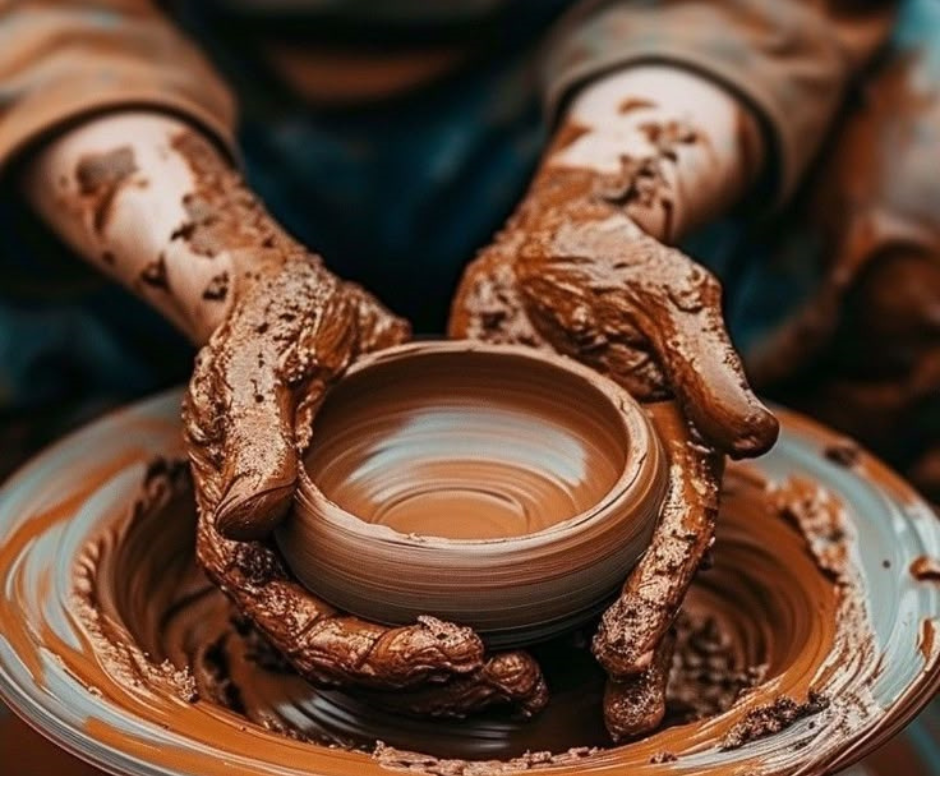
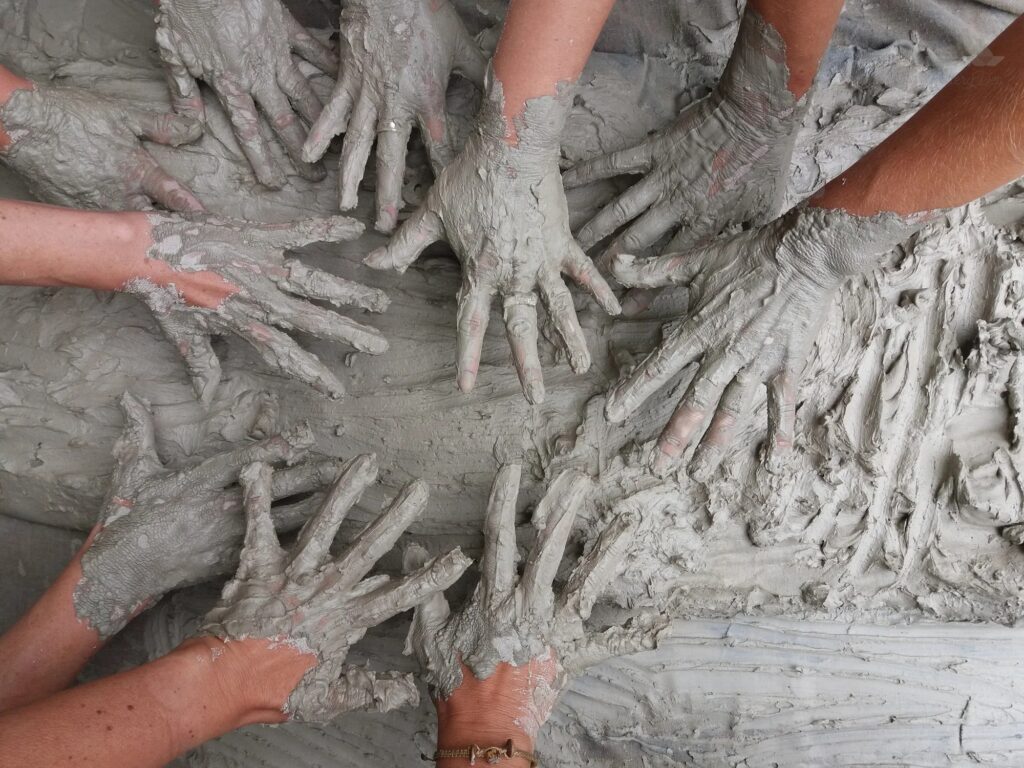
There’s something relatively fulfilling about the tactile revel in of running with clay. You knead it, roll it, mildew it—and slowly, some thing starts offevolved to take shape. Whether you’re making a mug, a bowl, or a unusual sculpture, the procedure is complete of discovery and personal expression.
Why Pottery Feels So Good
Pottery is a arms-on, aware interest. It’s just you, the clay, and the moment. Here’s why human beings fall in love with it:
Stress Relief: Focusing on shaping clay facilitates calm your mind and relieve tension.
Creativity: There are countless forms, textures, and glazes to test with.
Sense of Accomplishment: Holding some thing you made with your very own arms is highly rewarding.
Connection to Nature: Clay comes from the earth—pottery maintains us rooted.
Pottery Techniques to Try
There are numerous ways to create pottery, relying on your interest and tools:
Hand Building: Using your palms and easy gear to form clay (first-rate for beginners).
Wheel Throwing: Using a pottery wheel to make symmetrical portions (like bowls and vases).
Slip Casting: Pouring liquid clay into molds (best for replicating designs).
Glazing & Firing: Adding colour and durability thru kiln firing.
From Studio to Home: The Functional Art of Pottery
One of the first-class elements of pottery is that your creations aren’t handiest stunning—they’re usable. Imagine sipping your morning coffee from a mug you made, or serving snacks in a home made bowl. Pottery makes everyday workouts feel greater unique.
Pottery as Therapy
More therapists and well being programs are actually the usage of pottery as a shape of artwork therapy. It facilitates with:
Emotional expression
Motor talent improvement
Building persistence and cognizance
Boosting self assurance
It’s particularly beneficial for children, seniors, and people managing trauma or intellectual fitness challenges.
Joining the Pottery Community
Pottery brings people collectively. You’ll find vibrant pottery groups in studios, workshops, and on-line forums. Sharing suggestions, designs, and encouragement creates a sturdy experience of belonging.
Many local artwork facilities and colleges provide novice training in which you can attempt your hand at the wheel, meet fellow creatives, or even exhibit your paintings in exhibitions.
Pottery at Home: Yes, You Can!
Don’t have a studio close by? No problem. Many potters work from home using easy kits or air-dry clay. Online classes and YouTube tutorials make it easy to start with minimum funding.
You can even locate transportable pottery wheels, compact kilns, and amateur tool sets on line.
Conclusion: Let the Clay Lead You
Pottery isn’t approximately perfection—it’s about the method. It teaches patience, invites creativity, and rewards endurance. Whether you create a masterpiece or a wobbly bowl, the joy lies in getting your hands dirty and discovering what you can make.
So, why not provide pottery a strive? You never recognize what splendor you’ll create—or what parts of yourself you’ll discover alongside the way.
FAQs
- Do I need experience to strive pottery?
Not at all! Pottery is for everyone, from entire novices to experienced artists. Most humans begin with hand-constructing or newbie wheel instructions. - What substances do I need to begin pottery at home?
Basic materials encompass clay, easy gear (like timber knives and sponges), and in case you’re critical, a pottery wheel and kiln. Air-dry clay is a splendid amateur option.
Three. How lengthy does it take to make a pottery piece?
It depends on the complexity, however most pieces take some hours to form, then days to dry and hearth. Patience is part of the a laugh!
- Can pottery be a profession?
Absolutely. Many artists sell their paintings on-line, teach training, or open their own studios. It’s a craft and commercial enterprise with actual capability.
Five. Is pottery high priced to learn?
Not always. Many community centers provide low priced instructions, and you can begin with low-fee materials at domestic. As your capabilities grow, you could invest in higher tools.