Exploring the Beauty of Pottery
“The Art of Clay” is a broad and beautiful subject that encompasses the history, techniques, and expressive potential of working with clay. Whether you’re referring to pottery, sculpture, or other forms of clay-based art, the medium has been used for thousands of years to create functional and decorative objects.
Here are a few key elements that highlight the art of clay:
- History and Evolution of Clay Art:
Clay has been a essential cloth for human creativity considering historic times. Pottery, as an instance, dates back to around 18,000 years ago, and plenty of cultures (from historic China to the Mediterranean) developed exclusive styles and strategies.b
gb
Early clay paintings focused on capability, developing everyday objects like bowls, jars, and garage vessels. Over time, artwork forms expanded into sculptures, ornamental portions, and architectural elements. - Types of Clay:
Earthenware: Soft, porous clay that is regularly used for pottery and ornamental objects. It’s low-fired and may be glazed to enhance its look.
Stoneware: More long lasting and regularly fired at a higher temperature, stoneware is normally used for functional pottery.
Porcelain: Known for its great fine, porcelain is clean, sensitive, and fired at very high temperatures. It is regularly used in high-give up ornamental ceramics.
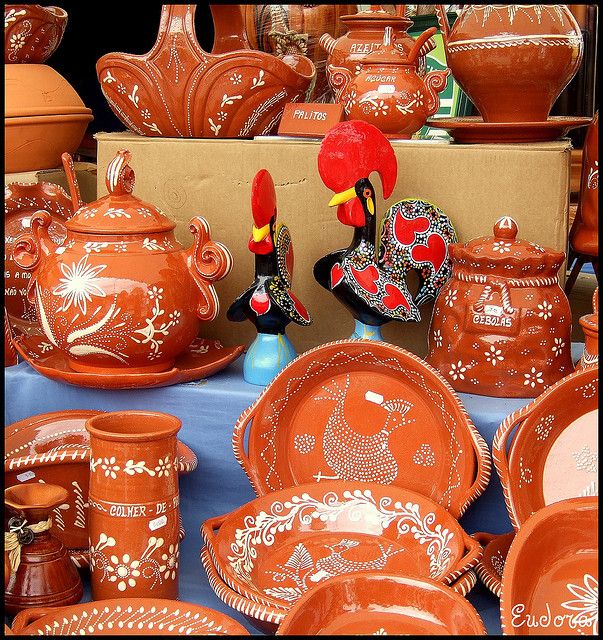
Terracotta: A reddish clay, popular for sculptural works and garden art, and regularly related to rustic or classical patterns.
- Clay Sculpting Techniques:
Hand-constructing: This includes coil-constructing (rolling out long coils of clay), slab-constructing (growing flat portions of clay which are joined collectively), and pinching (forming gadgets via pinching the clay into shape).
Throwing at the Wheel: A conventional method where clay is positioned on a potter’s wheel and shaped using the hands. This technique is commonly used for making bowls, vases, and mugs.
Slipcasting: Liquid clay (slip) is poured right into a mold to form complicated shapes.
Sculpting: Artists can carve, model, or manage clay to create both summary and realistic sculptures.
Four. Glazing and Firing:
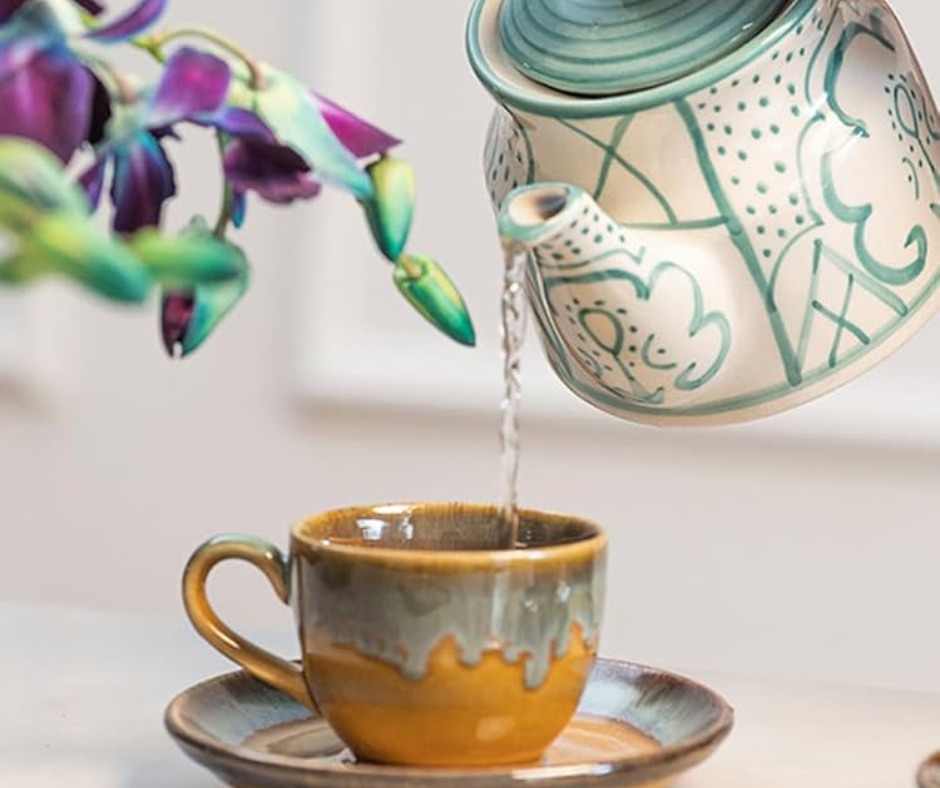
Glaze Application: After forming the clay object, it is often coated in a layer of glaze, which can be matte, smooth, or textured. The glaze affords color, texture, and a protective finish.
Firing: The clay is then fired in a kiln at high temperatures to harden it. The firing system modifications the chemical shape of the clay, making it permanent. Some pieces go through more than one firings for introduced outcomes (e.G., glaze firing after preliminary bisque firing).
- Modern Clay Art:
Today, many artists test with innovative strategies, blending conventional strategies with contemporary ideas. Some create installations, interactive artwork, and even contain generation with clay.
Clay artwork also performs an vital position in present day craft, with artists making both purposeful and non-useful items, from tableware to big-scale sculptures.
- Clay as an Artistic Medium:
Expression and Texture: Clay’s malleable and tactile nature makes it perfect for expressing texture, form, and movement. Artists can acquire a extensive range of surfaces—from smooth, smooth finishes to hard, uncooked textures.
Symbolism: In many cultures, clay has symbolic importance. It is regularly seen as a cloth that connects humans to the earth, as it is formed from natural factors and has the electricity to convert from something soft to something permanent and lasting.
Whether used for practical pottery or inventive expression, the artwork of clay holds a timeless vicinity in each craft and pleasant art. It’s a medium that invitations creativity, exploration, and private connection.
Are you running with clay your self, or just interested in tshape?