
Clay, with its humble origins as a easy, earthy material, has been transformed into objects of terrific beauty and software thru the arms of skilled artisans. Pottery is a undying craft that combines capability and artistry, with every piece telling a tale of subculture, way of life, and creativity. The system of crafting beauty from clay involves no longer simply technical talent but additionally an emotional connection to the earth and its assets.
The Journey of Clay
The adventure from uncooked clay to finished pottery is a meticulous manner that requires patience, experience, and a deep know-how of the cloth. It all begins with the selection of the right form of clay. Potters often pick out one-of-a-kind types of clay based totally at the final product they wish to create. Whether it’s nice porcelain, earthenware, or stoneware, every clay has precise residences that will influence the texture, color, and energy of the very last piece.
Shaping the Clay
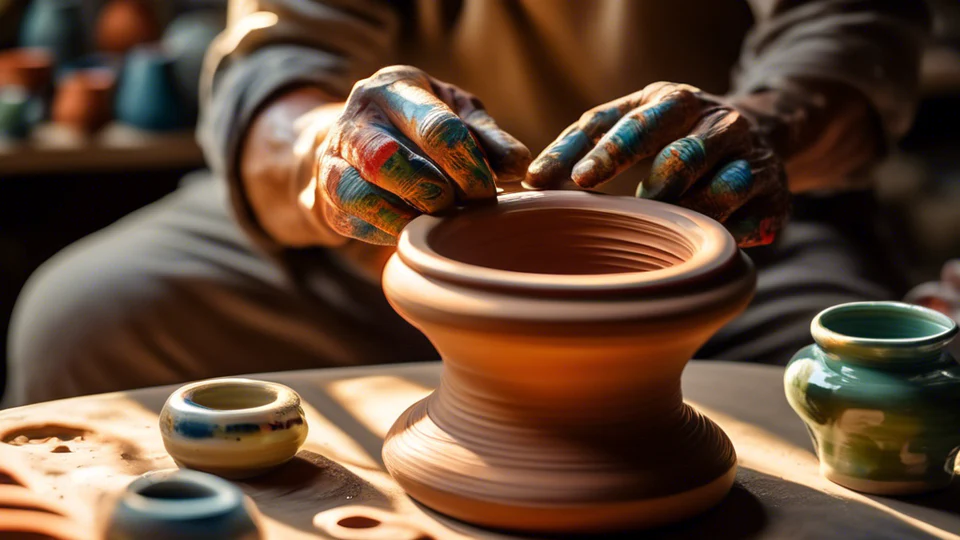
The first step in crafting pottery is shaping the clay. Traditionally, that is done on a potter’s wheel, wherein the potter skillfully molds the spinning clay with their arms, creating symmetrical paperwork like bowls, vases, or cups.
In a few cultures, potters additionally use hand-building strategies, like coiling, pinching, or slab-building, to create more complicated or abnormal shapes. These techniques permit for a personal touch, regularly resulting in one-of-a-kind portions that highlight the craftsperson’s individuality.
Drying and Refining
After the clay is fashioned, it must dry to cast off extra moisture. This stage is essential due to the fact any trapped water can cause the pottery to crack at some stage in firing.
Once dry, the potter refines the surface of the piece, smoothing it out and adding ornamental elements. Some may carve elaborate styles, paint designs, or add textures as a way to give the pottery its particular aesthetic appeal.
Firing
The pottery is then fired in a kiln at excessive temperatures to harden the clay. This is a crucial step in the technique, as the firing turns the clay right into a everlasting, durable fabric. Depending on the temperature and the kind of clay, the pottery may be fired once or several instances.
The sort of firing process (e.G., electric powered kiln, timber-fired kiln, or raku firing) additionally influences the color, texture, and end of the piece. In conventional wooden-firing, for instance, the pottery might develop particular coloration variations due to the smoke and ash from the fire.
Glazing and Decoration
After the primary firing, the piece can be glazed to offer it a clean, smooth end, or it could be left unglazed for a greater natural, matte look.
Glazing not best enhances the visible appeal of the pottery but also makes it water resistant, which is in particular vital for purposeful items like cups, pots, and plates.
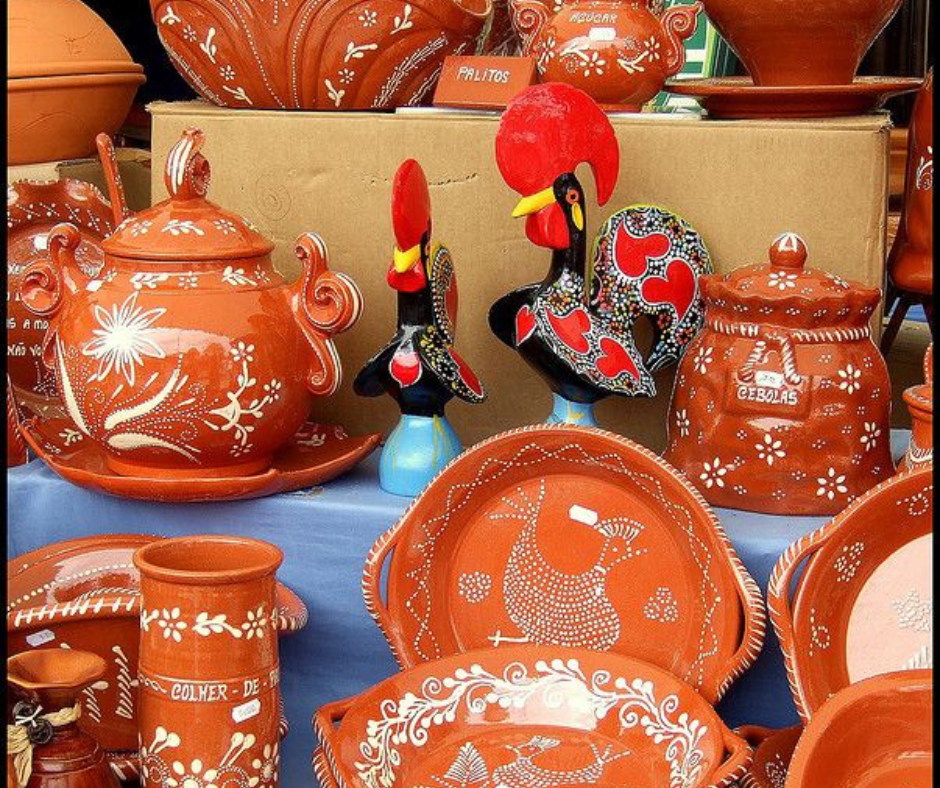
Decorative strategies which includes painting, inlaying, or maybe the use of metal paints can provide the pottery its one of a kind fashion, regularly reflecting the culture and traditions of the area.
The Final Firing
Once the glazing or ornament is implemented, the piece is fired again at a lower temperature to set the glaze and finalize the shape. This very last firing brings the clay to life, giving it each beauty and energy.
Cultural Significance
In many cultures, pottery-making is not merely a craft however an expression of cultural identity and a mirrored image of the community’s values. The designs, shapes, and colors utilized in pottery often convey symbolic meanings which can be surpassed down thru generations. Pottery is used for the entirety from cooking and garage to ceremonial and spiritual purposes.
In India, pottery-making is deeply related to rural life, wherein potters, known as Kumhars, create important household items like water pots, cooking vessels, and storage jars. These portions are frequently adorned with symbolic patterns representing nature or spirituality.
In Mexico, Talavera pottery is famend for its problematic hand-painted designs, often providing bold colours and floral motifs, which reflect the country’s colonial heritage and indigenous traditions.
In Japan, pottery is multiplied to an art form, with styles like Raku pottery, that is used in tea ceremonies and makes a speciality of growing beauty in simplicity and imperfection.
The Beauty of Imperfection
One of the maximum charming elements of hand made pottery is its inherent imperfection. No two portions are precisely alike, and this uniqueness gives each object character. The small inconsistencies in shape, texture, or glaze provide the piece a experience of authenticity and individuality, something heavily produced gadgets regularly lack.
In a global that an increasing number of values perfection and uniformity, pottery reminds us of the splendor that lies in imperfection. The irregularities in the clay, the crackles in the glaze, and the natural textures communicate to the human contact and the talent of the potter.
The Future of Pottery
In the modern-day international, pottery-making continues to thrive as each a functional craft and a form of inventive expression. Potters nowadays are experimenting with modern techniques, new materials, and unconventional designs, merging traditional craftsmanship with current aesthetics.
While mass manufacturing has ruled the marketplace, there’s a developing appreciation for hand-crafted, artisanal items. People are increasingly more interested in pottery no longer only for its splendor however also for its sustainability and connection to the earth. The tactile nature of home made pottery, at the side of its cultural richness, gives a feel of connection that mass-produced items really can not provide.
Crafting beauty from clay is more than just growing objects—it’s about capturing the spirit of an area, a culture, and a time. Every piece of pottery is a mirrored image of the potter’s arms, their coronary heart, and their tale. It is a reminder that even inside the most effective of substances, there may be splendor ready to be found.